mCloud field notes

Ideas for systems that have to work.

Practical perspectives on AI infrastructure, retrieval systems, MLOps, healthcare technology, and production engineering.

AgentsAIRAGHealthcareMLOps

Latest insight

Agents5 min read

Building a Multi-Agent Orchestration System on AWS

A multi-agent orchestration system routes diverse incoming requests to the right specialist and then executes each as a multi-step agentic task. The mistake most teams make is using one framework for both jobs and getting the worst of each. This is Part 4 of The Token Scarcity Playbook — assembling routing (Part 1), model-agnostic design (Part 2), and the…

Read the latest


Archive

Explore all insights.

Agents

Agent Frameworks Compared: A Technical Feature-by-Feature Guide

An agent framework is the harness that orchestrates a model's reasoning, tool calls, state, and multi-agent coordination. This is Part 3 of The Token Scarcity Playbook — a technical comparison of the major frameworks built so you can score them against your own needs. It centers on a decision matrix rated on the criteria that actually drive selection — ease…

Read article
Agents

Making Applications Model-Agnostic by Design

A model-agnostic application is one you can move from one model to another — to capture a cheaper option or route per task — without rewriting logic or shipping silent regressions. Routing (Part 1) only pays off if your system survives the swaps. This is Part 2 of The Token Scarcity Playbook.

Read article
Agents

How Model Routing Works: Techniques, Players, and Frameworks

Model routing is the practice of sending each request to the cheapest model that can actually handle it, instead of defaulting every task to the flagship. It is the single largest cost lever in the token scarcity era — and, done well, it improves quality and cost at the same time. This is Part 1 of The Token Scarcity Playbook.

Read article
AI

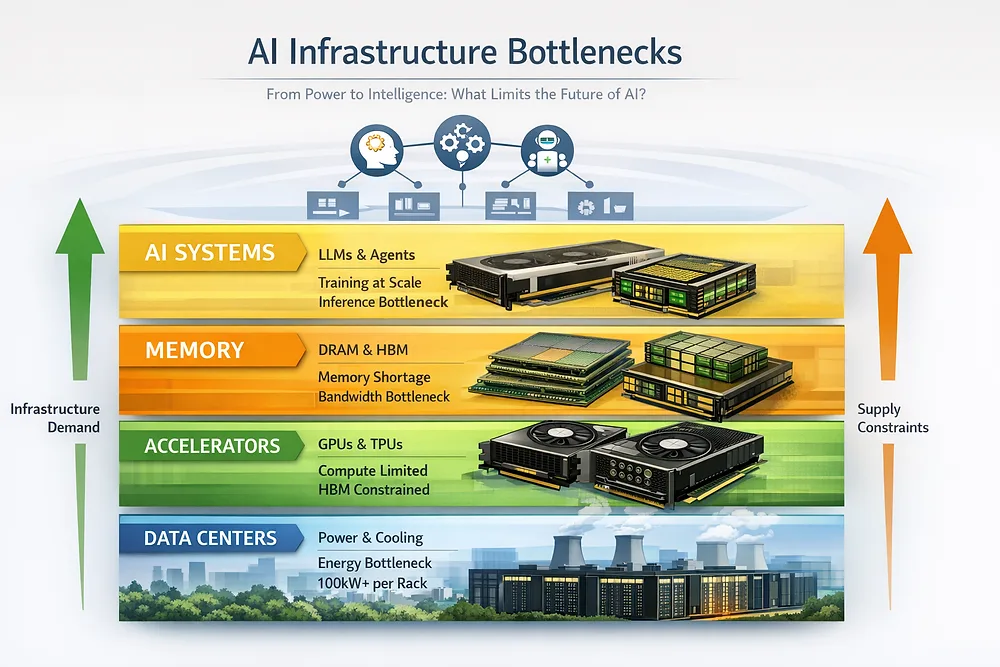
AI Infrastructure Boom

AI is often described as “software,” but that framing hides the most important truth about this moment: modern AI behaves like an industrial system, not a digital product. Intelligence is no longer compiled once and distributed cheaply forever. It is manufactured continuously, in real time, using enormous amounts of electricity, silicon, memory, and…

Read article
RAG

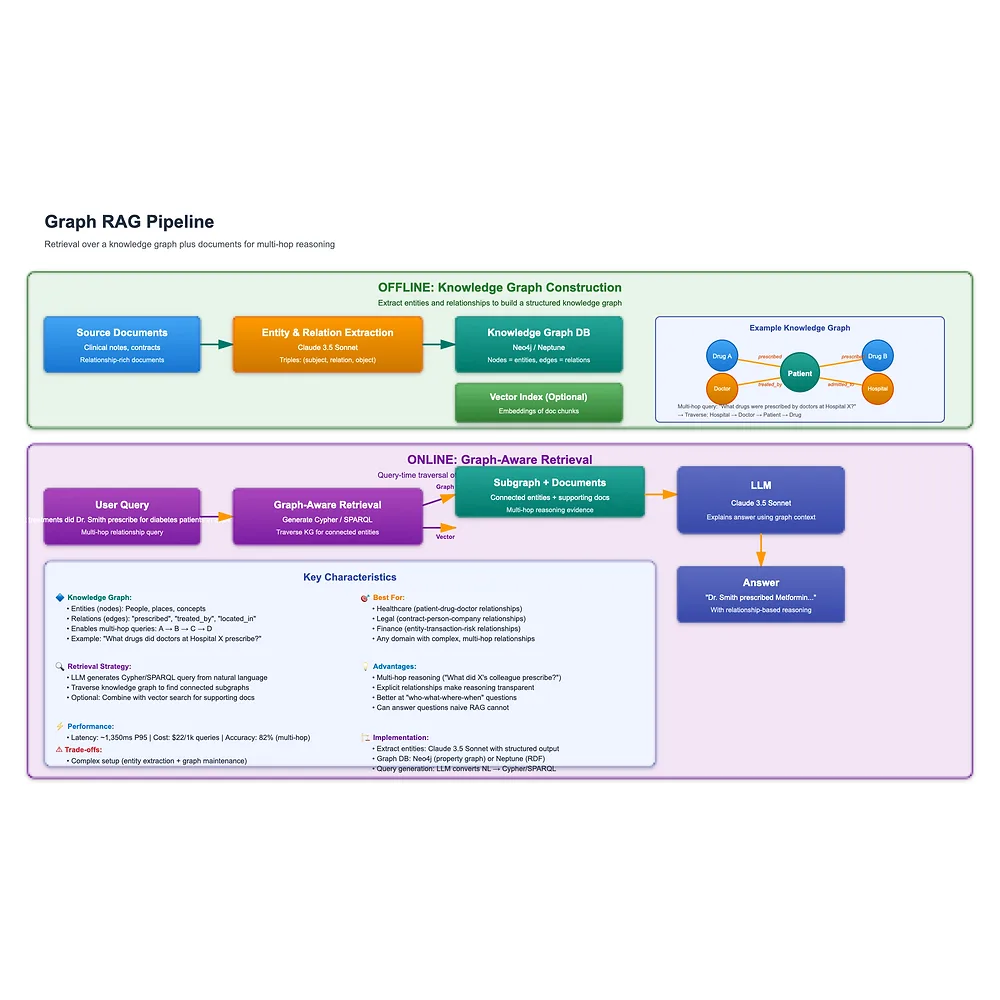
Graph RAG: Knowledge Graphs for Multi-Hop Reasoning

Graph RAG - The RAG technique that uses knowledge graphs to enable multi-hop reasoning across entity relationships. This article explores how Graph RAG solves relational queries that traditional vector search cannot handle, when to use it, and how to implement it with Neo4j and other graph databases. For a comprehensive comparison of RAG frameworks…

Read article
RAG

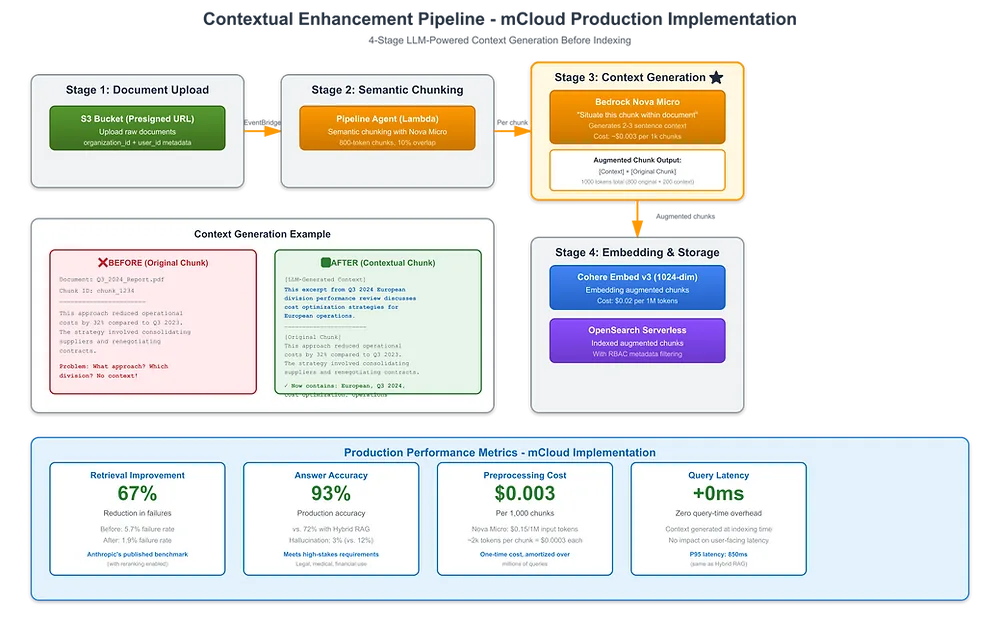
Contextual RAG: Anthropic's 67% Breakthrough for High-Stakes Accuracy

Contextual RAG - Anthropic's breakthrough technique that reduces retrieval failures by 67% through LLM-generated context augmentation. This article explores how Contextual RAG solves the ambiguous chunk problem, when to use it for high-stakes applications, and how to implement it for legal, medical, and financial use cases. For a comprehensive comparison of…

Read article
RAG

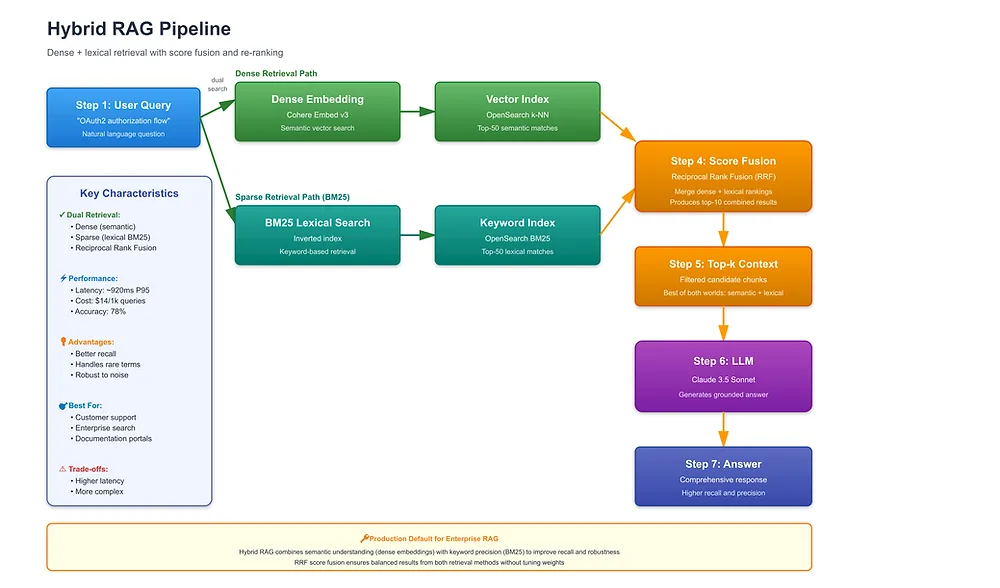
Hybrid RAG: The Production Standard for Enterprise Search

Hybrid RAG - The production-standard RAG technique that combines keyword search (BM25) with vector similarity search. This article explores why Hybrid RAG has become the de facto standard for enterprise deployments, how it works, and when it delivers the best results. For a comprehensive comparison of RAG frameworks including Hybrid RAG, see this research…

Read article
RAG

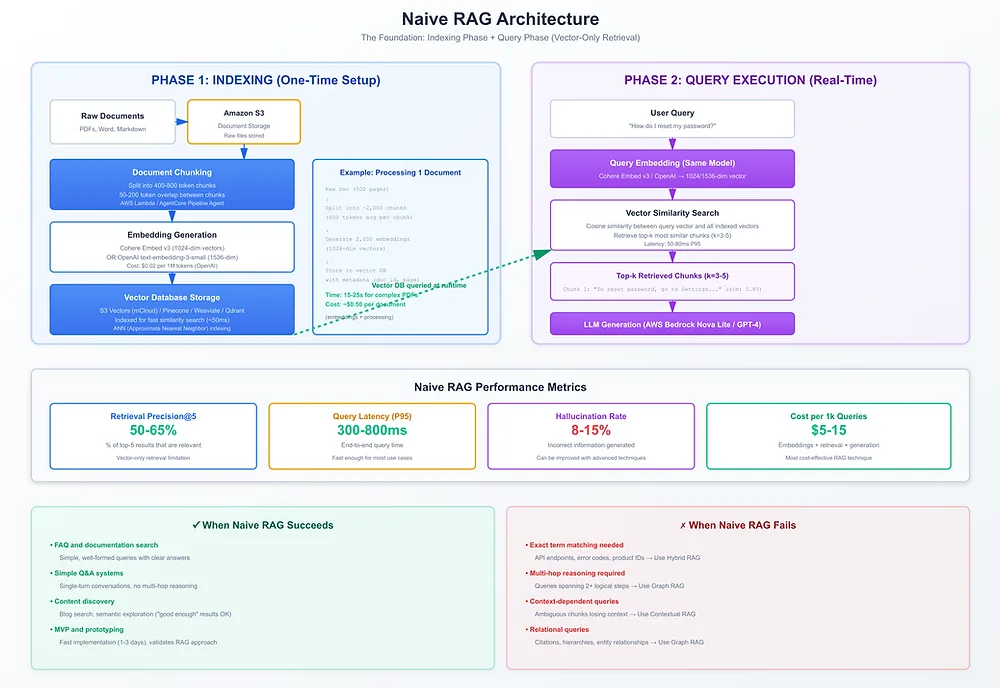
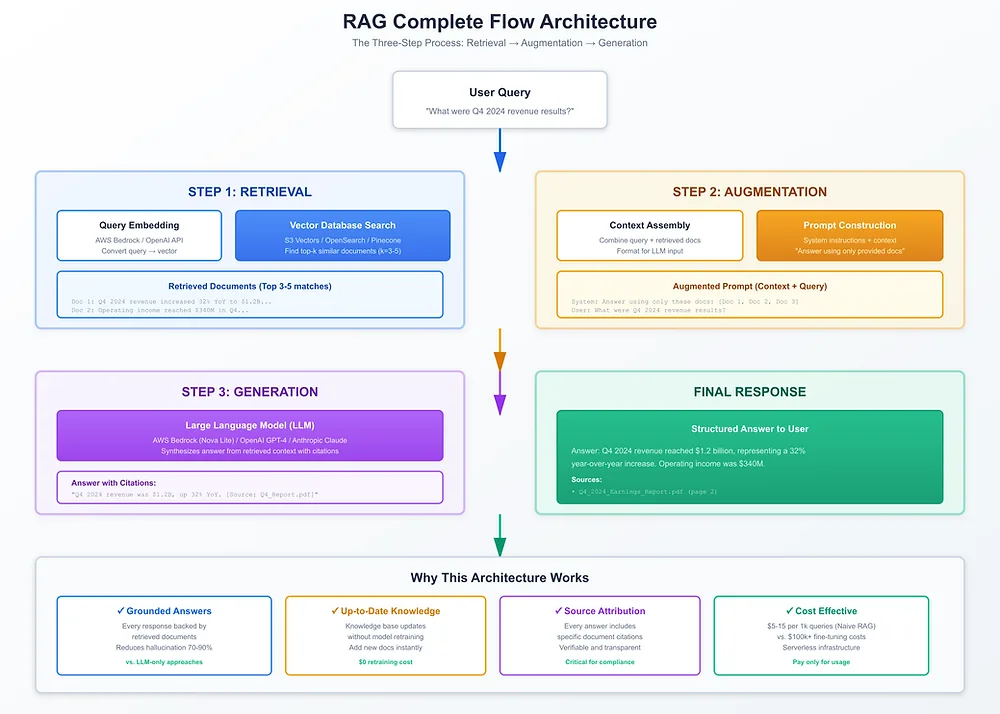
Naive RAG: The Foundation of Retrieval-Augmented Generation

Naive RAG - The foundational RAG technique that combines vector similarity search with LLM generation. This article explores how Naive RAG works, when to use it, real-world applications, and why it remains the starting point for most RAG implementations despite its limitations. For a comprehensive comparison of RAG frameworks including Naive RAG, see this…

Read article